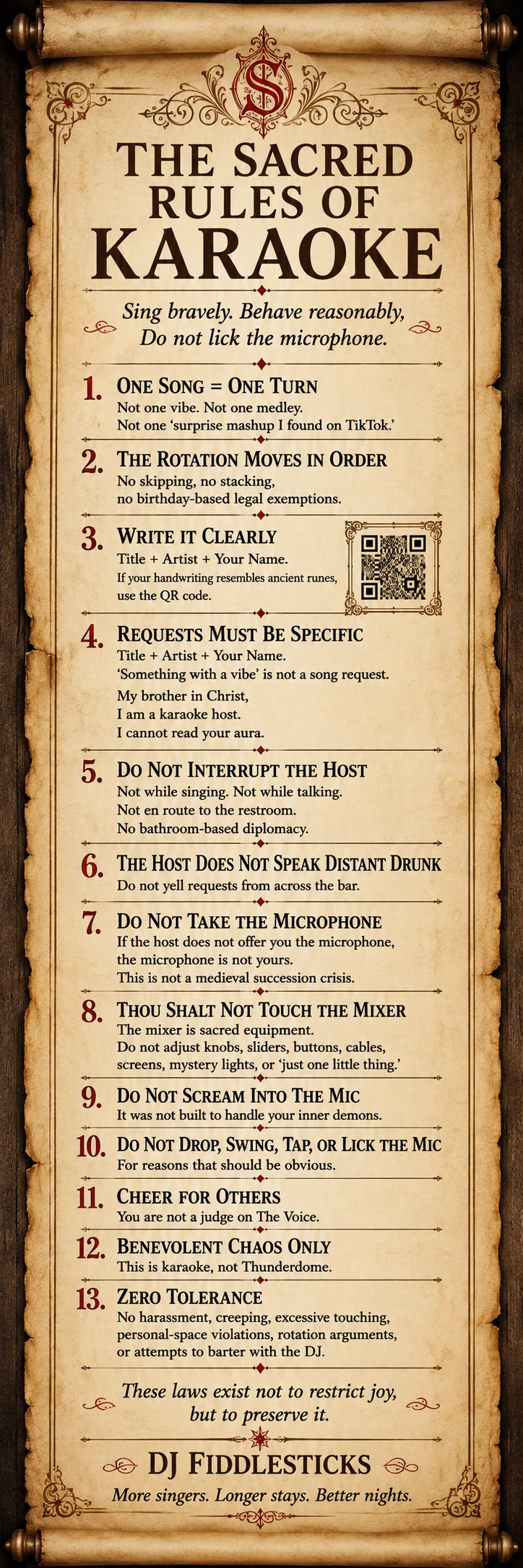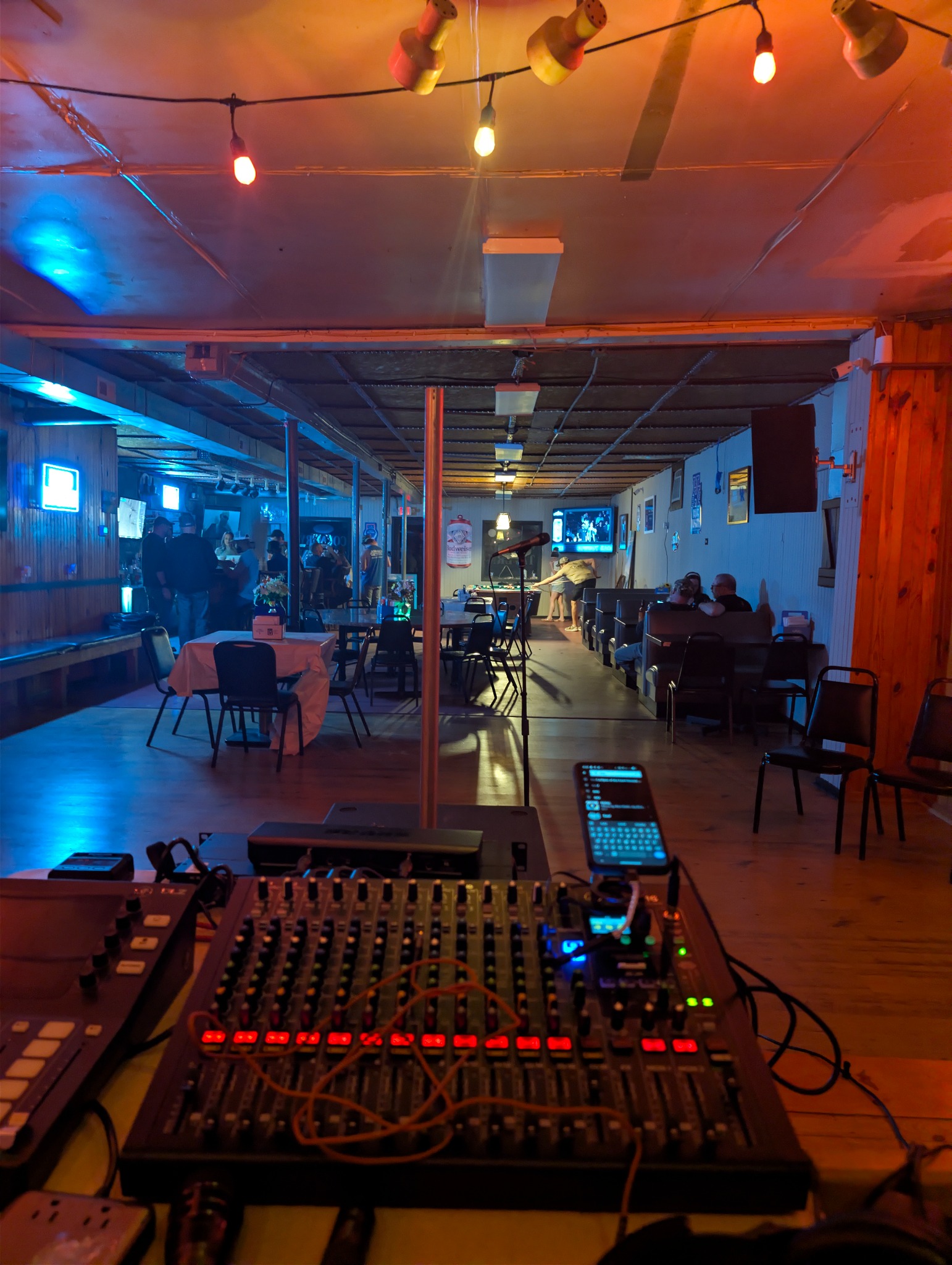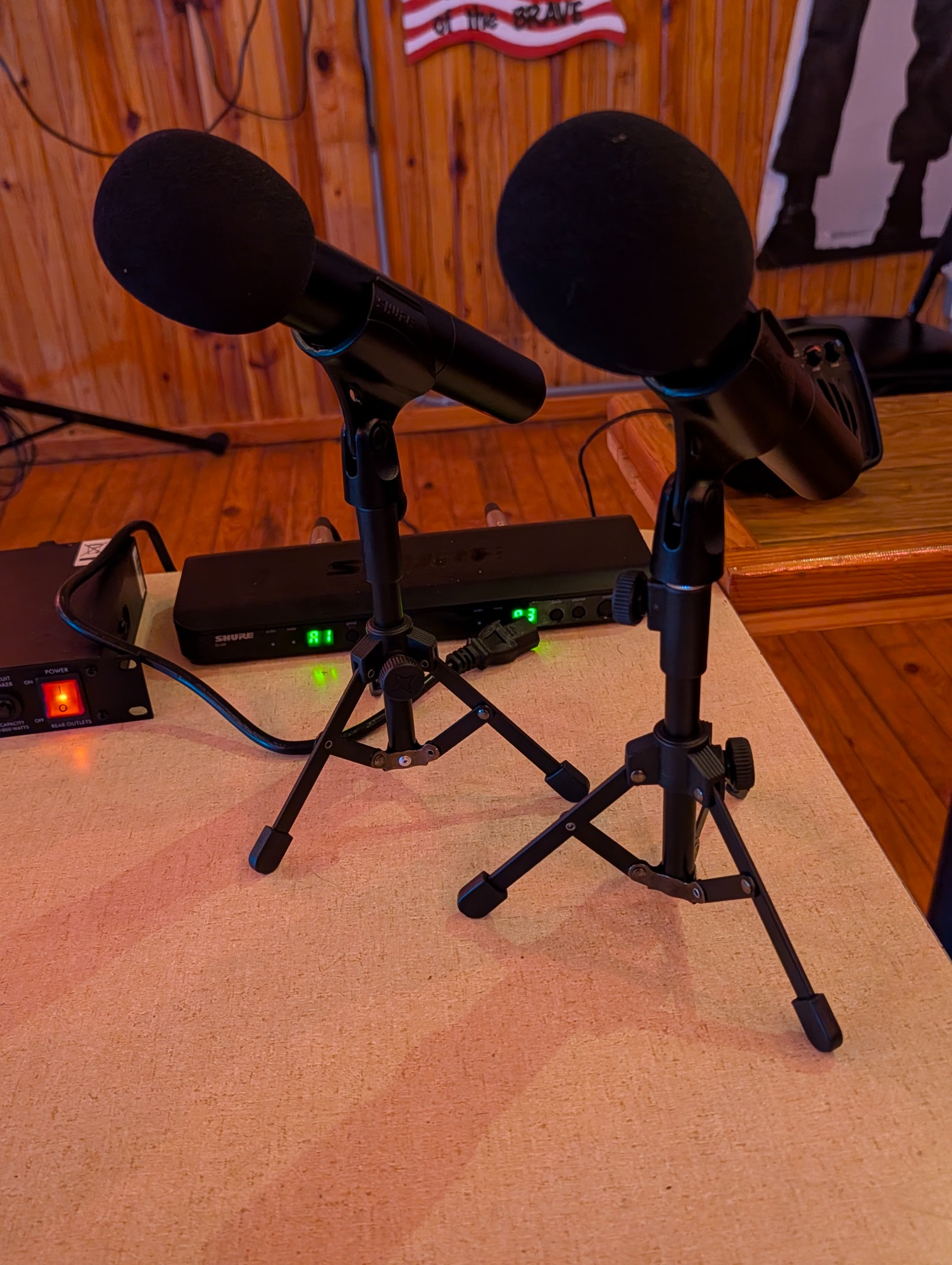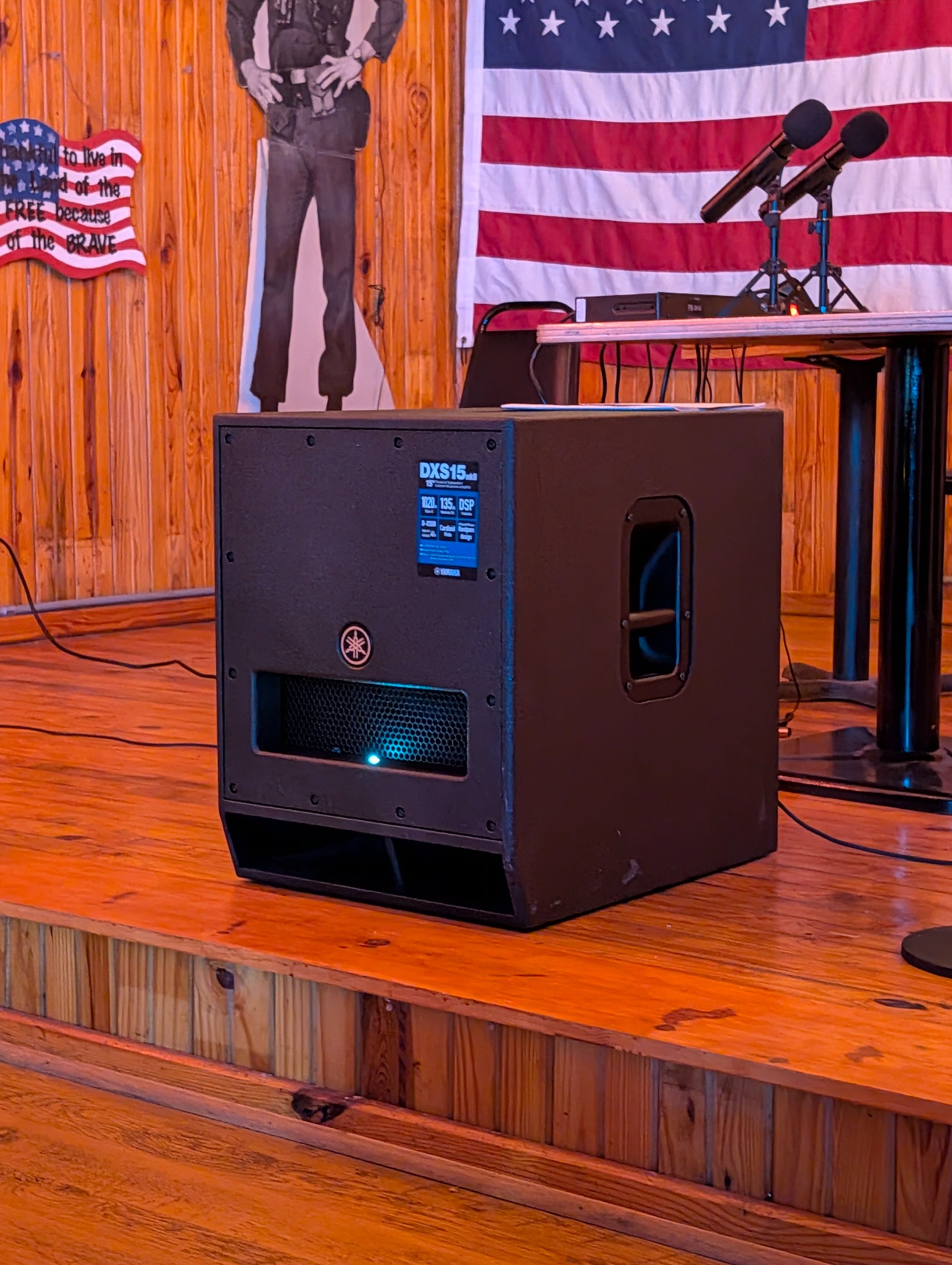
Official origin story
Born behind a bar that probably violated three health codes before sunrise.
DJ Fiddlesticks started taking the smallest amount of money a human could legally accept to play music in public sometime around 1994, in a Georgia city widely known as the southeastern epicenter of traffic, sadness, and road rage — you would know it as Atlanta.
“Public venue” is generous. Think: a “roof” that only existed because the termites hadn’t organized yet, a “kitchen” consisting of three freezers, one deep fryer, and a single working light, and a liquor shelf stocked with mysterious bottles that were either never approved by the FDA or later banned for good reason.
That is where Fiddlesticks learned two things: people will dance to anything if you commit hard enough, and music sounds better when you are not sure the building will survive the night.
Three decades later, the hair is shorter, the sound is tighter, and the venues no longer double as OSHA training videos — but the heart of it has not changed.
Fiddlesticks brings the same crooked-grin energy to every room: part outlaw jukebox, part old-school storyteller, part traveling medic for the soul.
If it makes people sing louder than they should, sway harder than they meant to, or forget the world for four minutes at a time? It goes in the set.
DJ Fiddlesticks. Kentucky-marooned. Bourbon-proof. Genre-agnostic. Crowd-loyal. Still playing for the smallest allowable amount — and still worth every penny.
Social proof, or at least social evidence
Follow the chaos. Book the competence.